

You Belong Here.
We Belong Here.
Transforming, defending, and believing in Lake Street: An 18 Month Report
Dear Friends, Partners, and Supporters of Lake Street,
I have spent more than a decade as Executive Director of the Lake Street Council, and in that time I have watched this corridor face extraordinary challenges — a global pandemic, the civil unrest that followed the murder of George Floyd, and the long, hard work of rebuilding that followed. Through all of it, I have been proud of what we built together, and proud of the resilience of the businesses, families, and communities that make Lake Street what it is.
This report covers 18 months that began with some of the most transformative work our organization has ever done — and ended with one of the most serious threats our community has ever faced.
The Lake Street Council has been a champion for this corridor since the late 1960s. Our work is to foster economic vitality, amplify Lake Street's vibrancy, and make sure that the people who built this street — and who depend on it — are seen, supported, and have a seat at the table. Our staff of 13 does this work (in English, Somali, and Spanish) because we believe that a thriving Lake Street is a place of joy and hope.
The past 18 months tested that belief — and confirmed it.
In late 2024, we launched Lake Street Lift, an $8 million state investment that changed the corridor in ways still visible today. Thirty new murals. Vacant lots turned into community gathering spaces. Hundreds of entrepreneurs receiving professional support — many for the first time. Tens of thousands of people coming out to events and festivals that celebrated the creativity and culture that define this place. It was one of the most ambitious corridor investments in our history, and it was working.
Then, in late November 2025, the federal government’s Operation Metro Surge arrived. What I witnessed — and what our business owners reported to me directly — was devastating. Revenues fell quickly and sharply. Employees stopped coming to work. Family members, friends, and neighbors were harassed and taken by law enforcement. Customers stayed away. Business owners who had survived the pandemic and rebuilt after 2020 told me they did not know if they would survive this.
We did not step back. Friends and neighbors came together, raising over $1 million that we distributed in emergency grants to businesses. We organized events to bring in customers; held multilingual online sessions, helped owners navigate applications, testified before legislative committees, and made the case for millions in emergency relief. We showed up — because that is what we do.
Lake Street is still here, still fighting, still full of the creativity and resilience and joy that have always defined it. The murals are on the walls. The businesses are open. The community is still standing.
This report is a record of that work — and a promise that the Lake Street Council will not stop.
With gratitude and determination,
Allison Sharkey
Executive Director, Lake Street Council

Lake Street Lift
In 2023, the State of Minnesota appropriated $8 million to the City of Minneapolis to support the economic health and vitality of the Lake Street Corridor. The Graves Foundation was selected to oversee this funding and partnered with the Lake Street Council to lead the work on the ground. Our goal was to create a more vibrant, growing Lake Street — uplifting businesses and celebrating the diverse communities that call this place home.
The work began in late 2024 and continued until May 2026, transforming the corridor in ways that are still visible today. None of it would have been possible without the hundreds of contractors, event organizers, artists, public officials, and community stakeholders who believed in what Lake Street could become.
While Lake Street Lift should be celebrated as a success, it is not an ending — it is one part of the path toward the long-term economic recovery and stability of Lake Street.
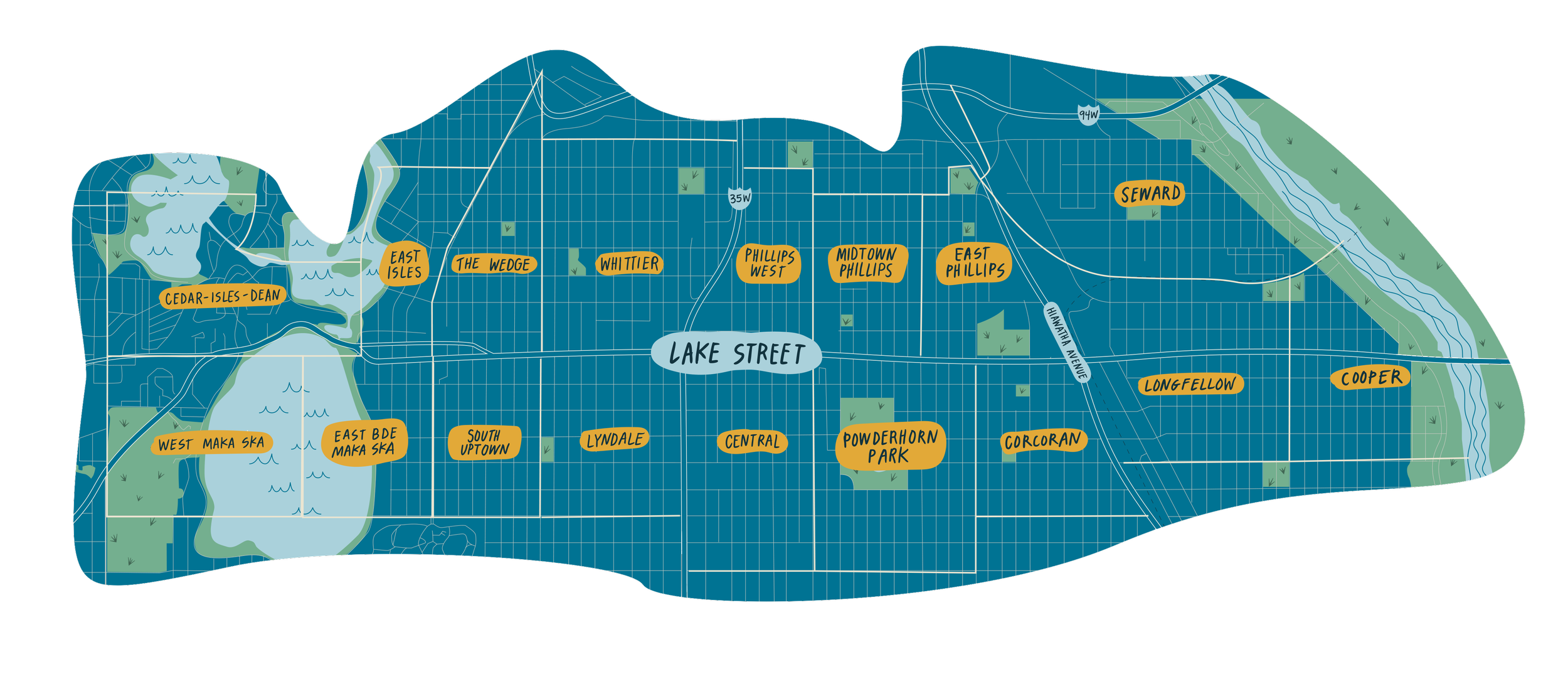
Working together, we accomplished a lot; these are a few highlights:
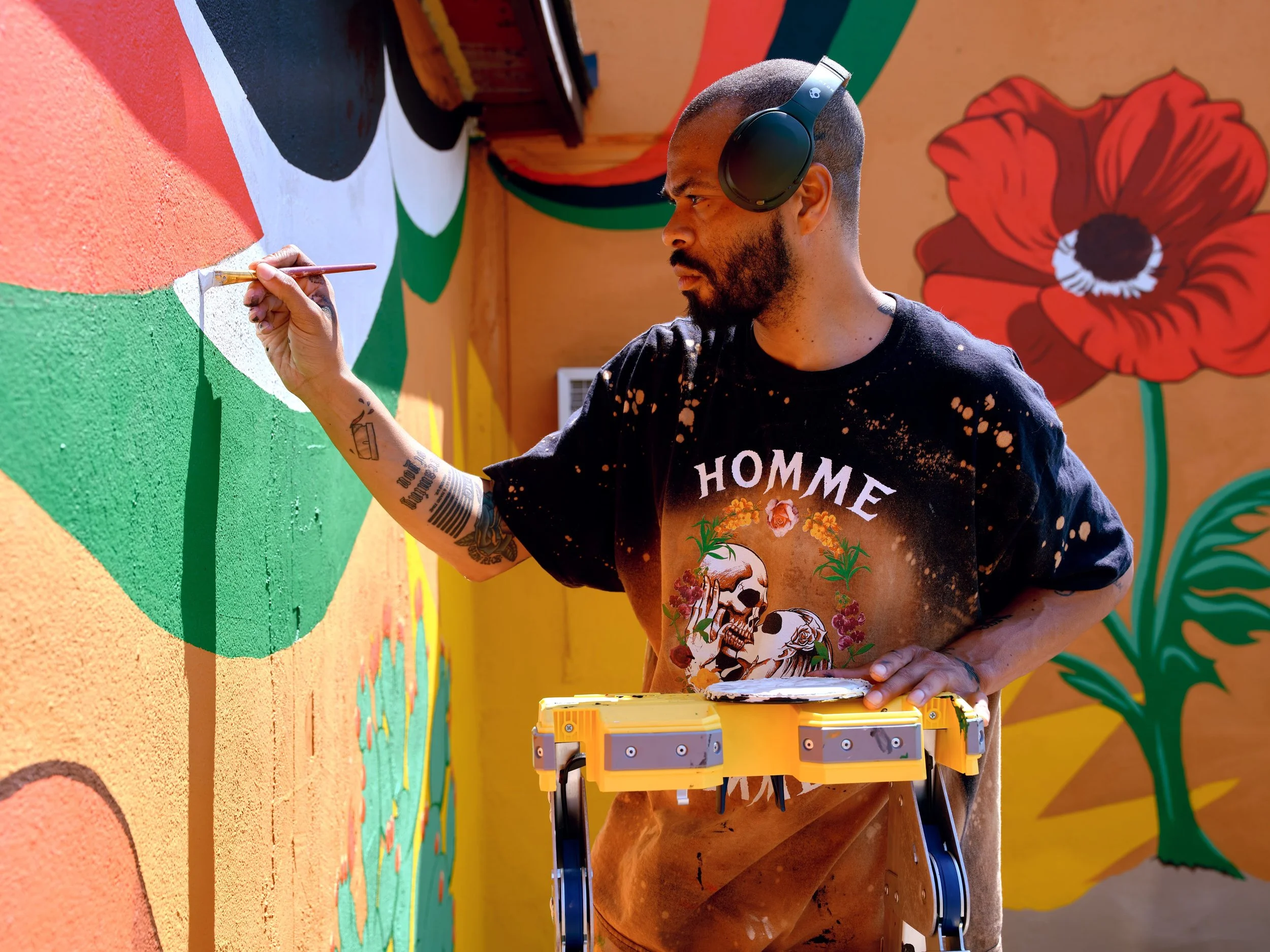
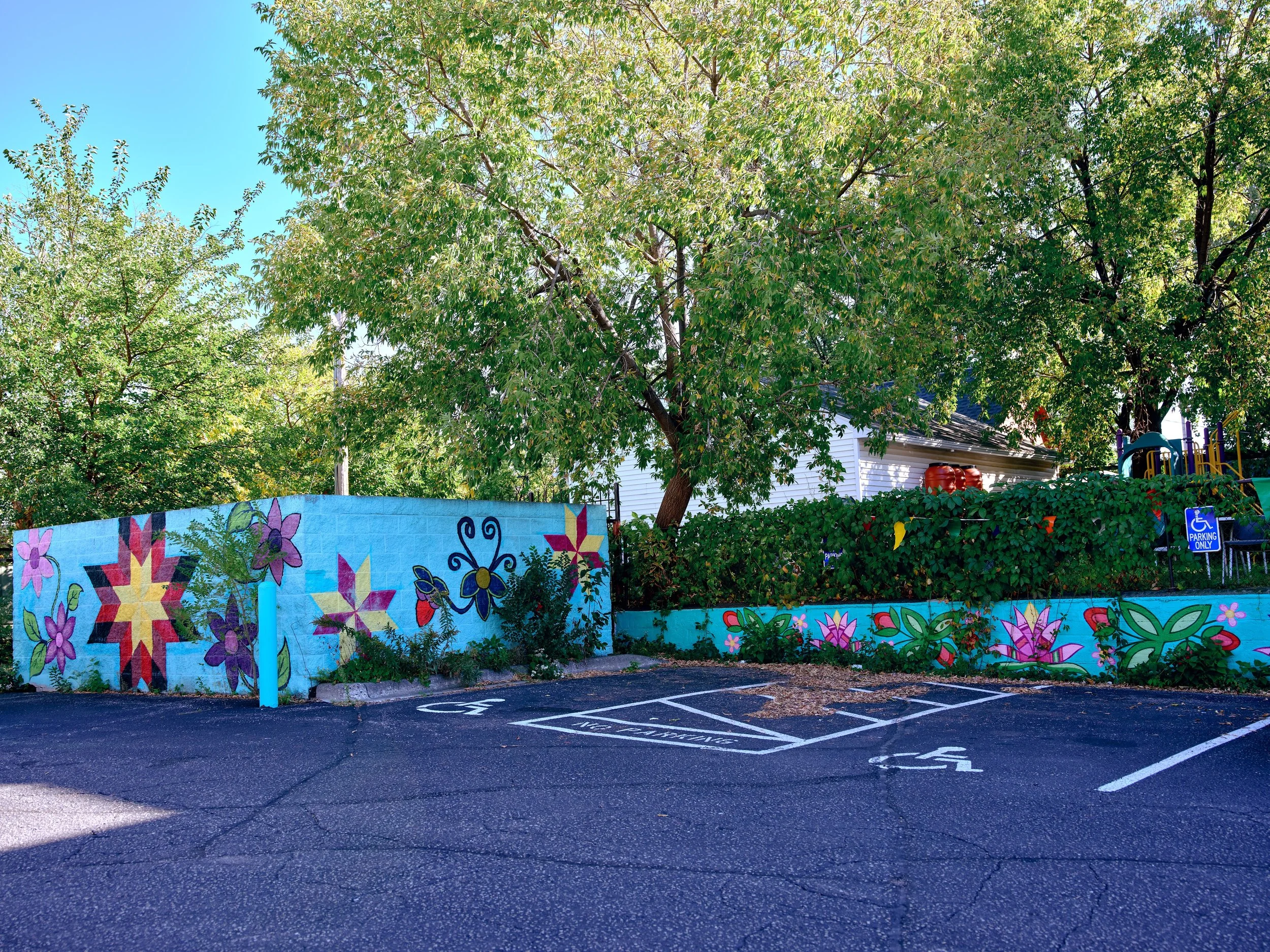
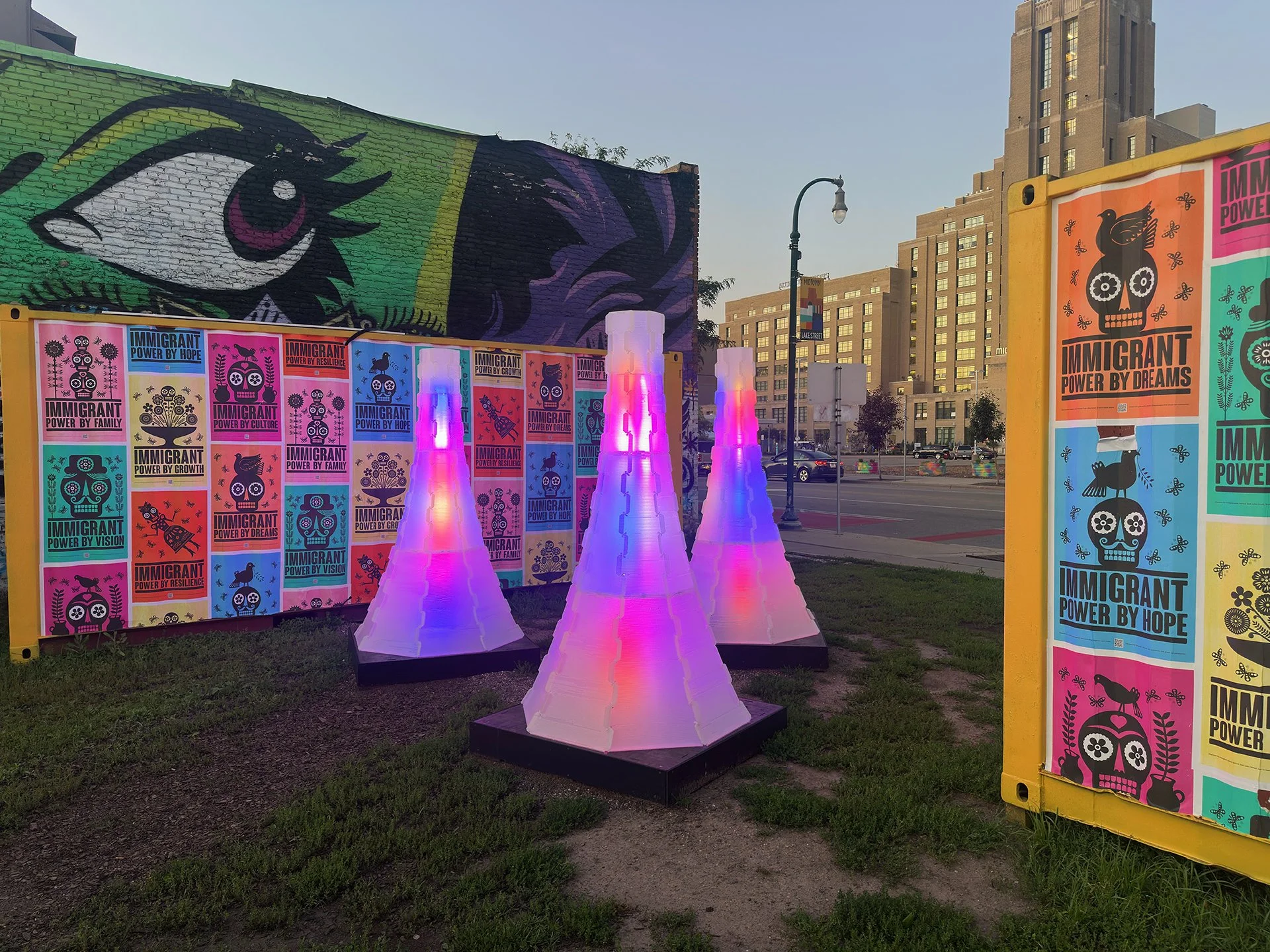
Thirty new murals by 26 artists turned a 30-block stretch of East Lake Street into one of the largest concentrated public art projects in the nation. The imagery in these murals reflects the diversity of our corridor and the people who call it home.
Vacant lots that would have otherwise been fenced became temporary skating rinks, community plazas, artist markets, and much more.
Tens of thousands of neighbors and visitors attended 46 community events and six major festivals.
Hundreds of entrepreneurs — most of them immigrant and BIPOC-owned businesses — received direct advising, marketing support, and real estate consulting, many for the first time.
A new statewide marketing campaign, “The Lake of 10,000 Lands,” introduced Lake Street to a new audience across Minnesota.
Lake Street Lift was one of the most ambitious corridor investments in our history, and it was working.
When Operation Metro Surge arrived a few months later, the investment Lake Street Lift made in this corridor was not simply a backdrop — it was a buffer. Businesses that had received financial management support were better positioned to weather a sudden collapse in revenue. Entrepreneurs who had worked with marketing advisors had stronger customer relationships and digital presences to draw on when foot traffic disappeared. The murals and events that had drawn new visitors to the corridor had built a broader base of customers who knew and cared about Lake Street.
Lake Street Lift was pivotal for helping the corridor endure one of our most difficult challenges - by establishing deeper roots, more resources, and community members who cared.
Operation Metro Surge
When Operation Metro Surge began in December 2025, the economic devastation was immediate and severe. Business owners reported revenue falling 30% to 50% from previous years — not just because immigrant customers were too afraid to visit and employees stopped showing up for work, but because even non-immigrant customers stayed away to avoid unwanted encounters with federal agents.
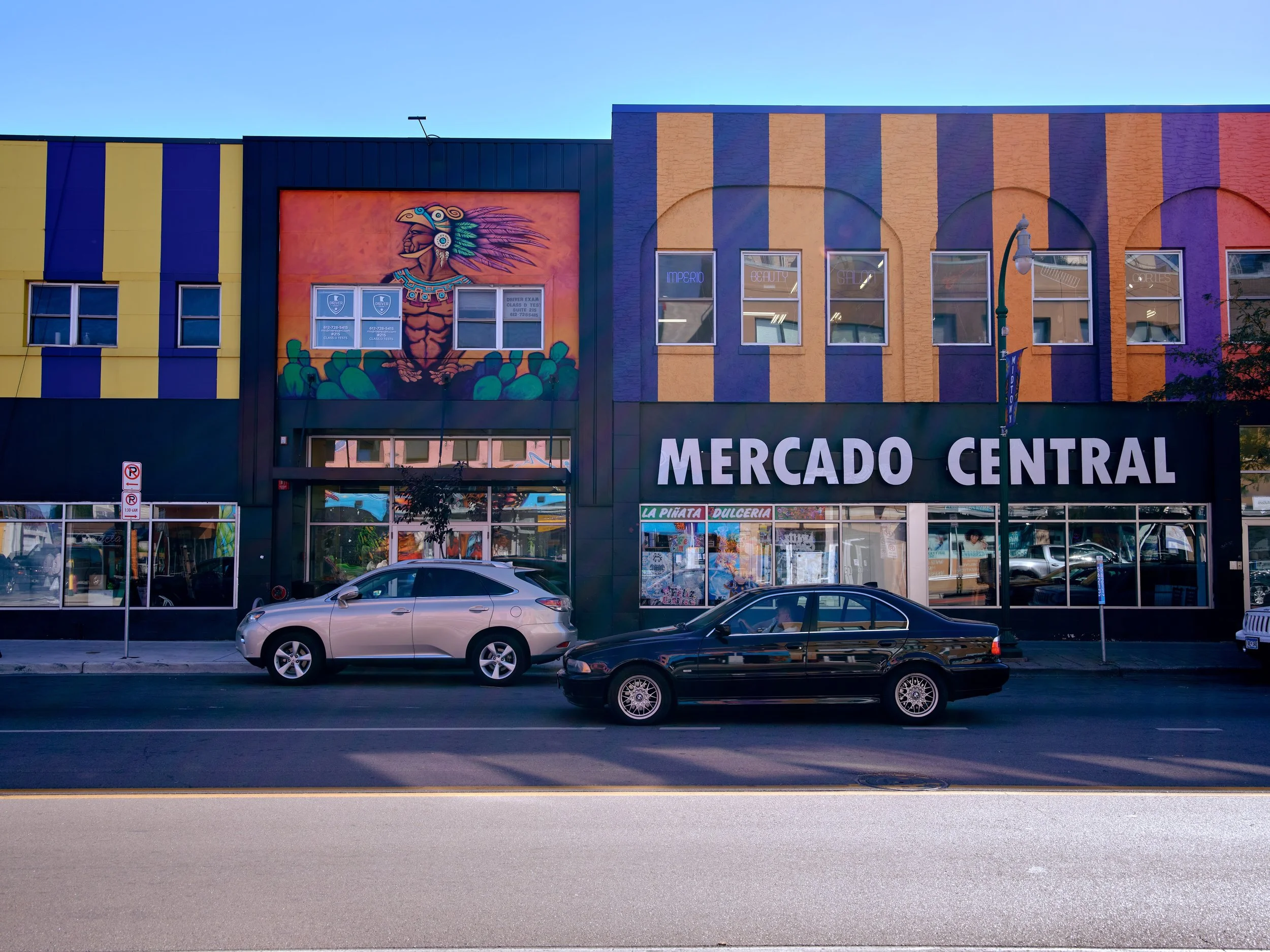
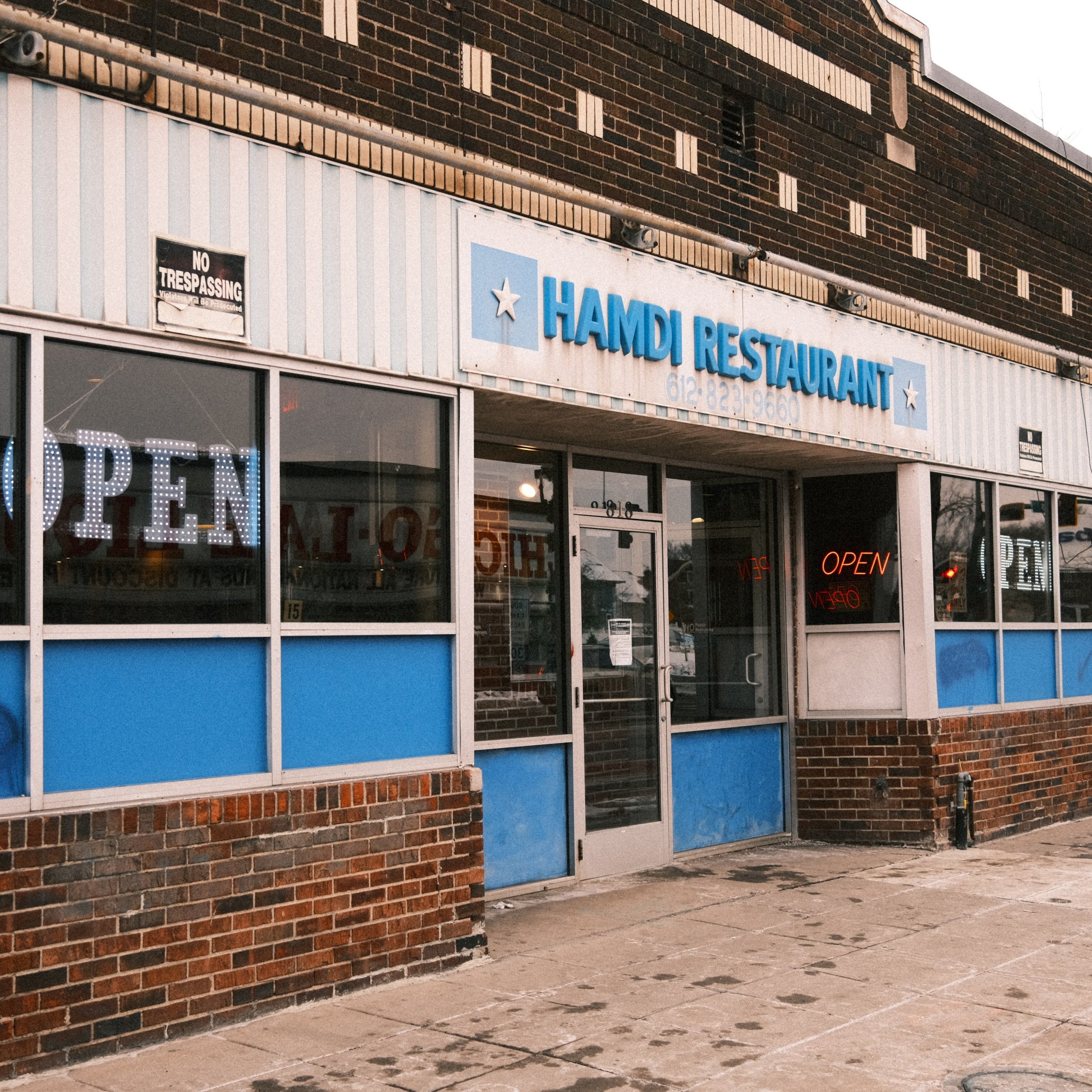
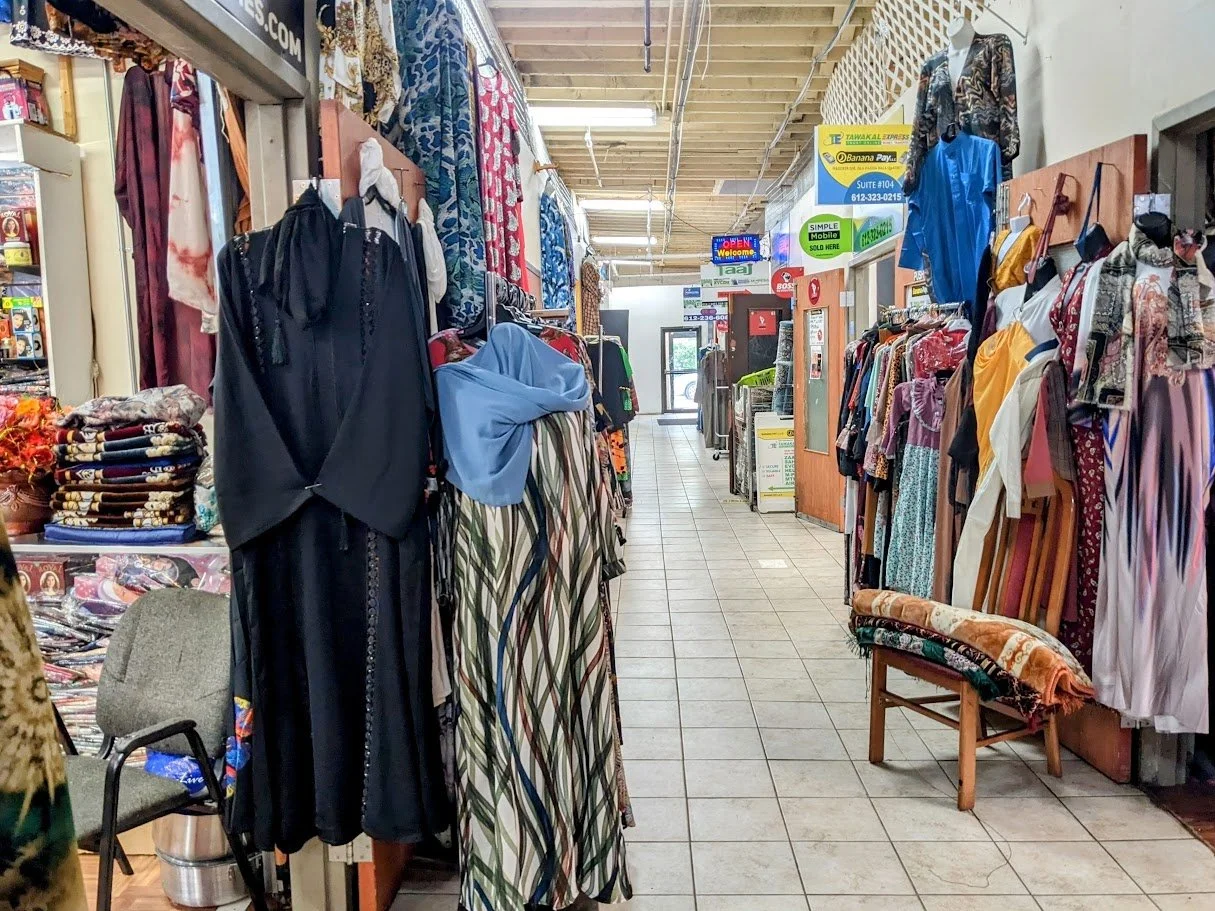
The impacts were visible everywhere: at one Latino shopping center, just one of seven restaurants remained open by early January; at a predominantly East African-owned cultural mall, over 60 percent of the shops closed their doors. With nearly 3,000 ICE officers reported in Minneapolis, the terror inflicted on this community was significant, and its effects on Minneapolis and Lake Street in particular will be long-lasting.
The Lake Street Council did not step back — we leaned in and doubled down, shifting our resources and energy to meet businesses and the whole corridor where we were.
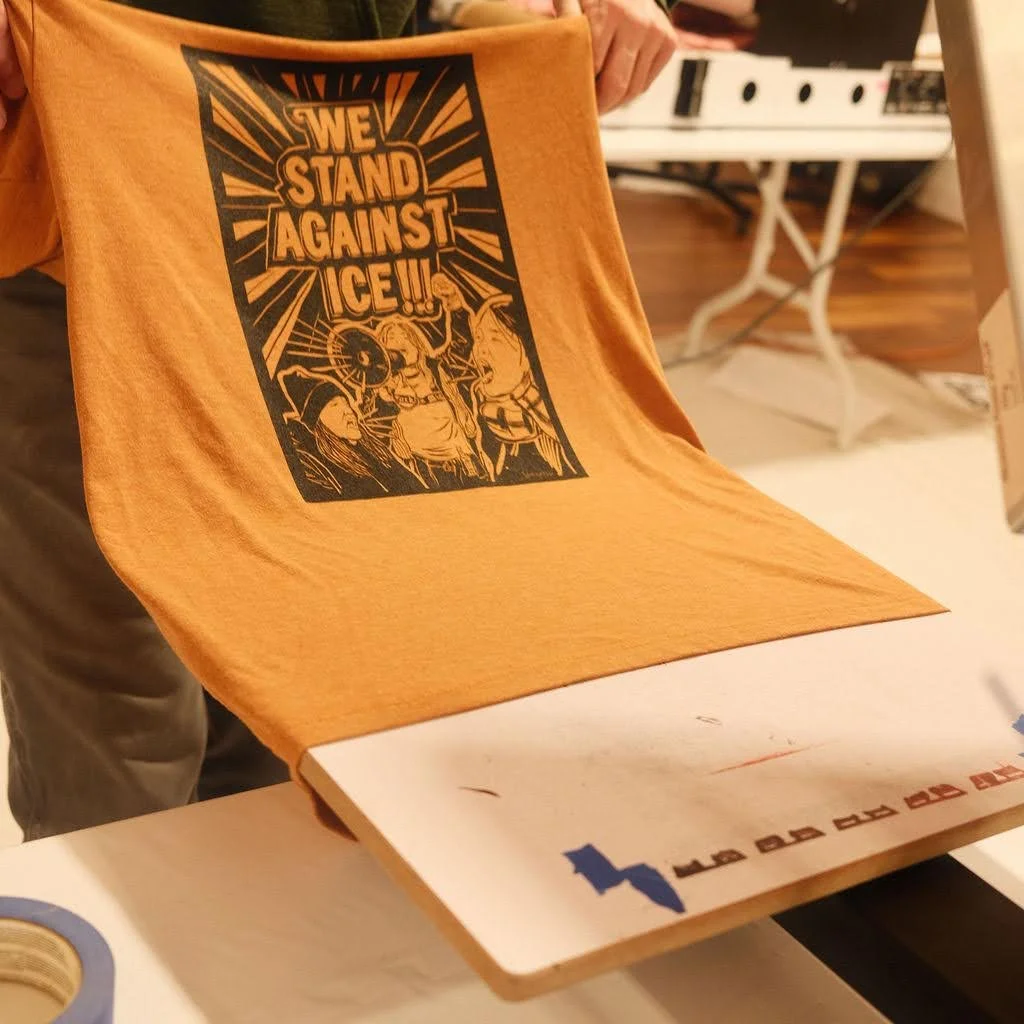
Screen-printed t-shirt at our Sanag Restaurant Cash Mob
Since January 2026, we have:
Hosted online multilingual Q&A sessions for businesses to provide information and resources.
Organized volunteers to supply legal fact sheets and resources to impacted businesses
Connected mutual aid groups with local and cultural grocers for community food and aid.
Provided a sworn declaration documenting impacts for an ACLU lawsuit.
Testified at special State Legislative committee hearings on the impacts on businesses
Urged city & county officials to allocate over $9 million in emergency business relief immediately
Spoke to local and national media outlets
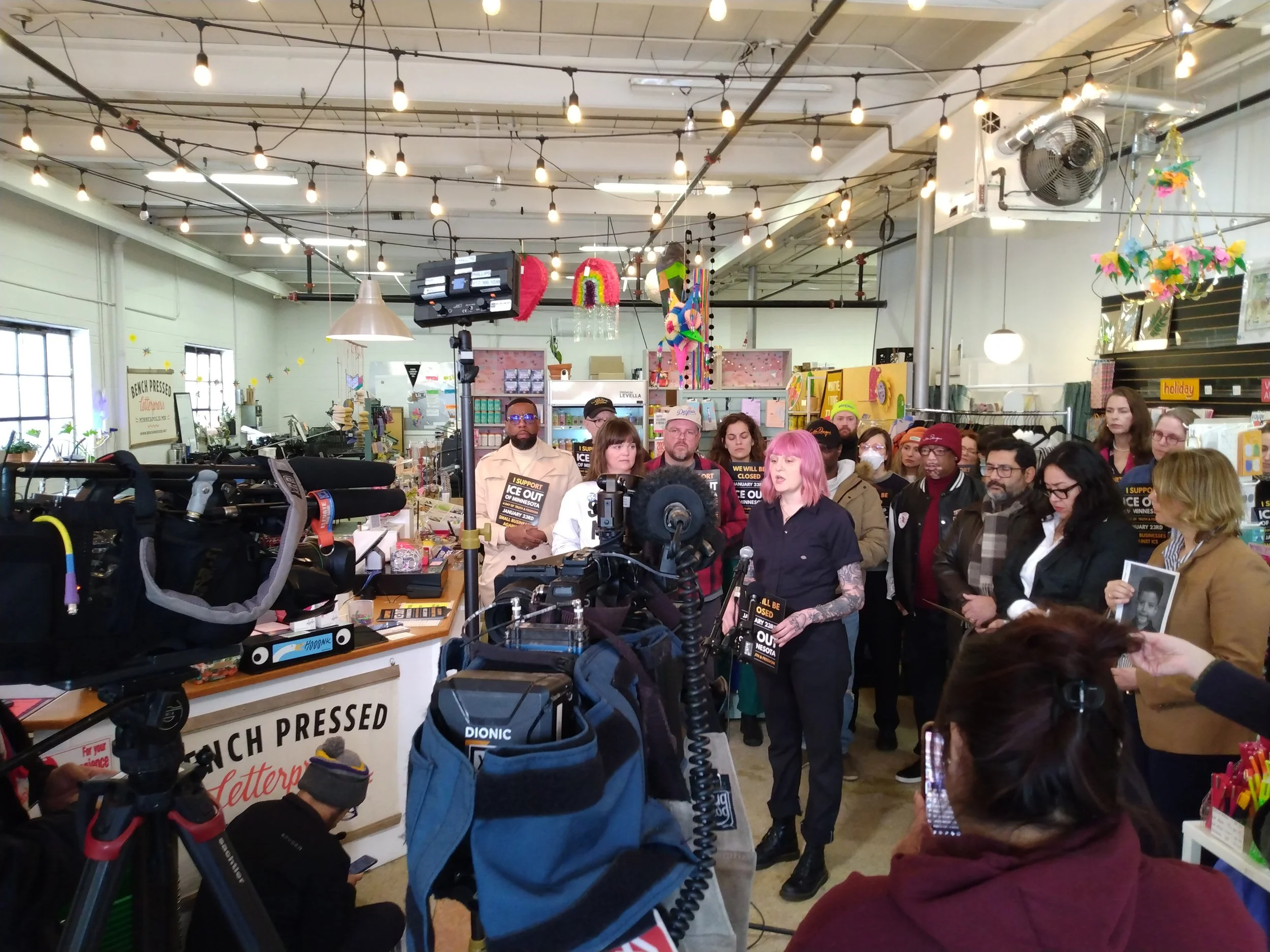
Organized You Belong Here Cash Mobs to bring customers to affected businesses
Emergency outreach and support to over 150 businesses seeking relief funding
Supported a coalition effort to advocate for $100M in state small businesses relief
In addition, thanks to our own Stand With Lake Street and Show Your Support for Eat Street fundraisers, plus funding from the Minneapolis Foundation, we have, to date, awarded over $1M in grants to 322 businesses, with an average grant of just over $3,000.
The need for this funding is much greater than what was available, but we know these funds have helped businesses keep their doors open.
“In a time of uncertainty, this assistance not only represented immediate financial relief but also provided me with the stability necessary to focus on my goals and on the well-being of those around me. Having the backing of an organization committed to its community makes a truly positive difference in the lives of those of us who receive this boost.”
Novedades Krystal, 417 E Lake St
Amplifying Voices
Advocating For the Community
The Lake Street Council has always believed that the success and economic stability of the corridor depend on both what happens on the street and the decisions made in city halls and government offices. Advocacy is foundational to us — it is how we ensure that Lake Street's needs are heard, that public investment supports community priorities, and that resources reach the entrepreneurs and families who need them most.
Over the past 18 months, that work has taken on new urgency. We immediately started advocating for emergency relief for businesses devastated by Operation Metro Surge — bringing partners together, mobilizing our community, and fighting to get resources where they belong.
A key component of this work was developing a business survey and documenting an average business loss of $57,000 during the initial days of Operation Metro Surge, data we used to make a clear case for relief funding at the State Legislature. Multiple subsequent surveys have proven that revenue losses exceeded $444 million in the city of Minneapolis alone.
These two moments — the optimism of Lake Street Lift and the devastation of Operation Metro Surge — capture something essential about the work of the Lake Street Council. We build when we can, take opportunities when they are available - and defend what we have built when we must. Advocacy made both possible. Without years of relationship-building with city, county, and state leaders, there would have been no $8 million Lift appropriation, no fund deadline extension, no emergency resiliency package, no county relief.
While we did not win the fight for significant state relief for impacted businesses this year, we made sure that this was a top priority for our representatives for the coming legislative session.
In these two moments, the Lake Street Council was at the table, making the case that this corridor and the people who call it home deserve to be seen, supported, and given every chance to thrive.
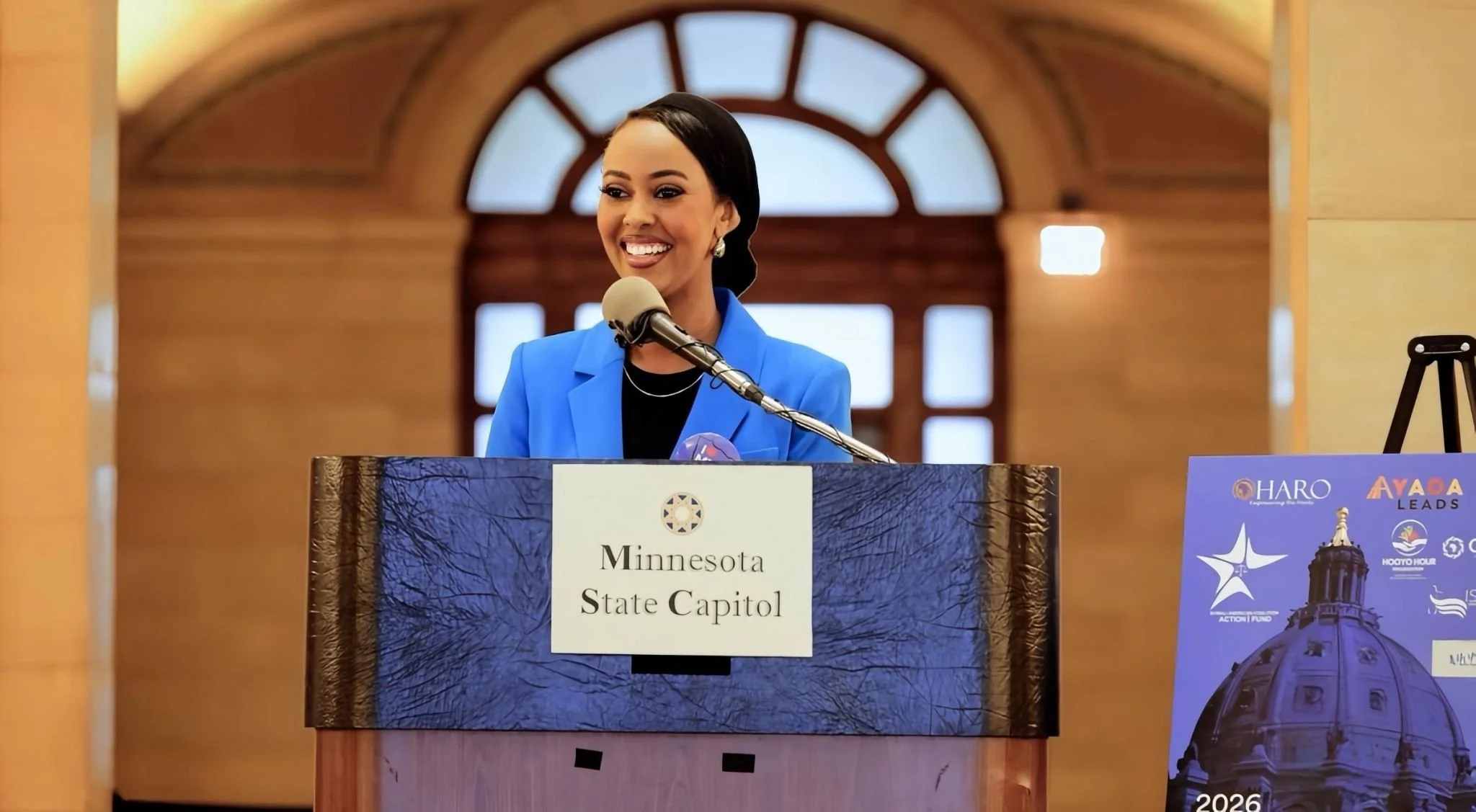
The economic stability of the corridor depend on what happens on the street and the decisions made in government offices.
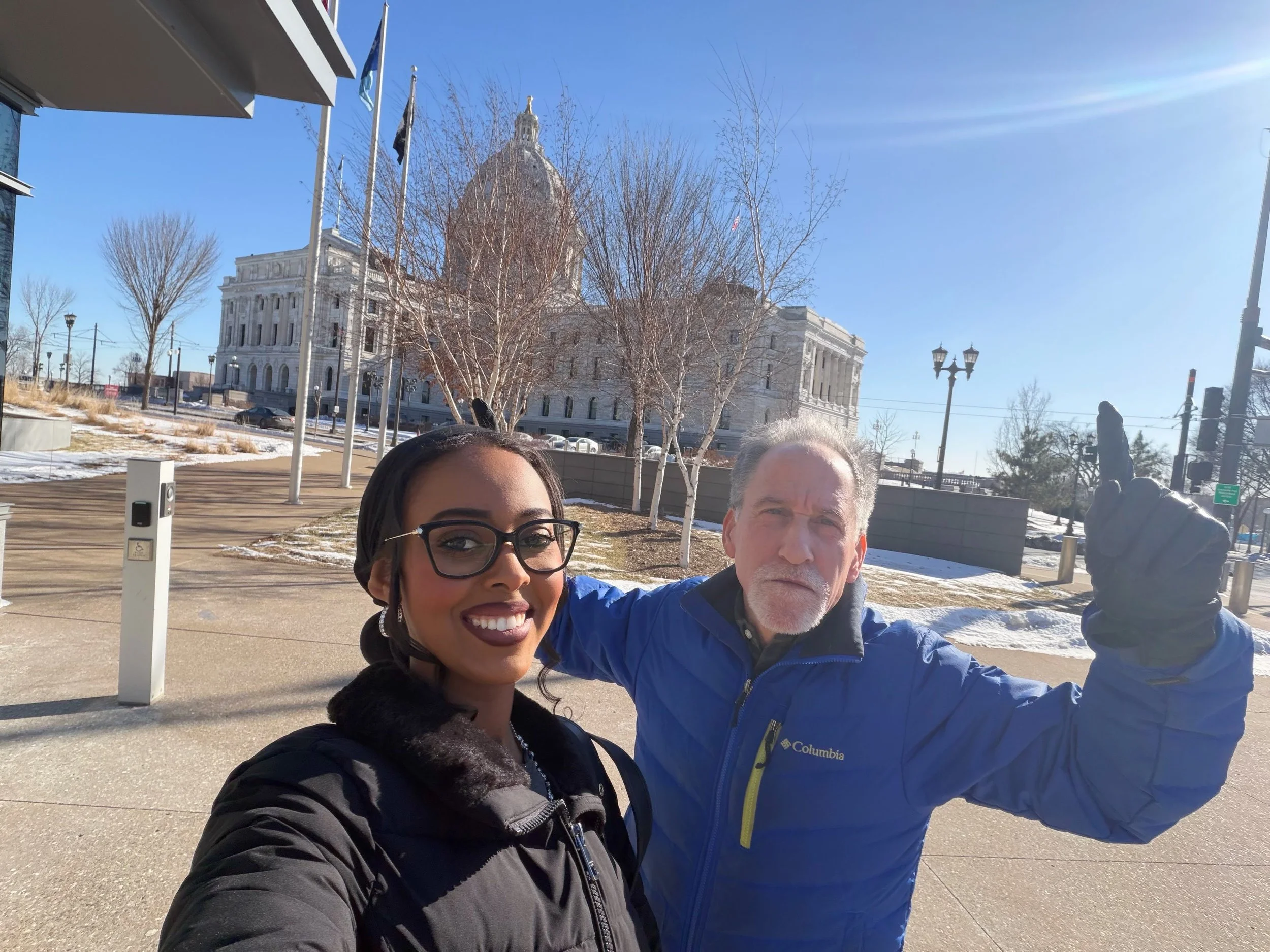
Dreaming Big
Corridor Marketing and Vibrancy
Lake Street is one of Minneapolis's most culturally rich and diverse corridors — home to immigrant-owned businesses, vibrant public art, and communities that have shown extraordinary resilience. The Lake Street Council's corridor marketing and vibrancy programs exist to ensure that Lake Street is seen, celebrated, and thriving. By investing in marketing, public art, and community activation, we work to bring customers to local businesses, deepen community pride, and shape a narrative about Lake Street that is both honest about its challenges and optimistic about its future.
The last 18 months brought monumental community benefit, lasting hardship, and inspiring resilience. The successes and transformations of Lake Street Lift felt threatened by Operation Metro Surge — but Lake Street's vibrancy endures. We continue to drive economic prosperity for the corridor by shaping Lake Street's image with relentless optimism, resilient realism, and a deep pride shared by its businesses, residents, and visitors.
This work resulted in the Lake Street Council reaching new audiences across Minnesota and beyond. Our Lake of 10,000 Lands marketing campaign generated nearly 11 million digital impressions across 105 zip codes and six states — and 25,000 square feet of new and updated murals by 26 artists transformed a 30-block stretch of East Lake Street into one of the largest concentrated public art corridors in the nation.
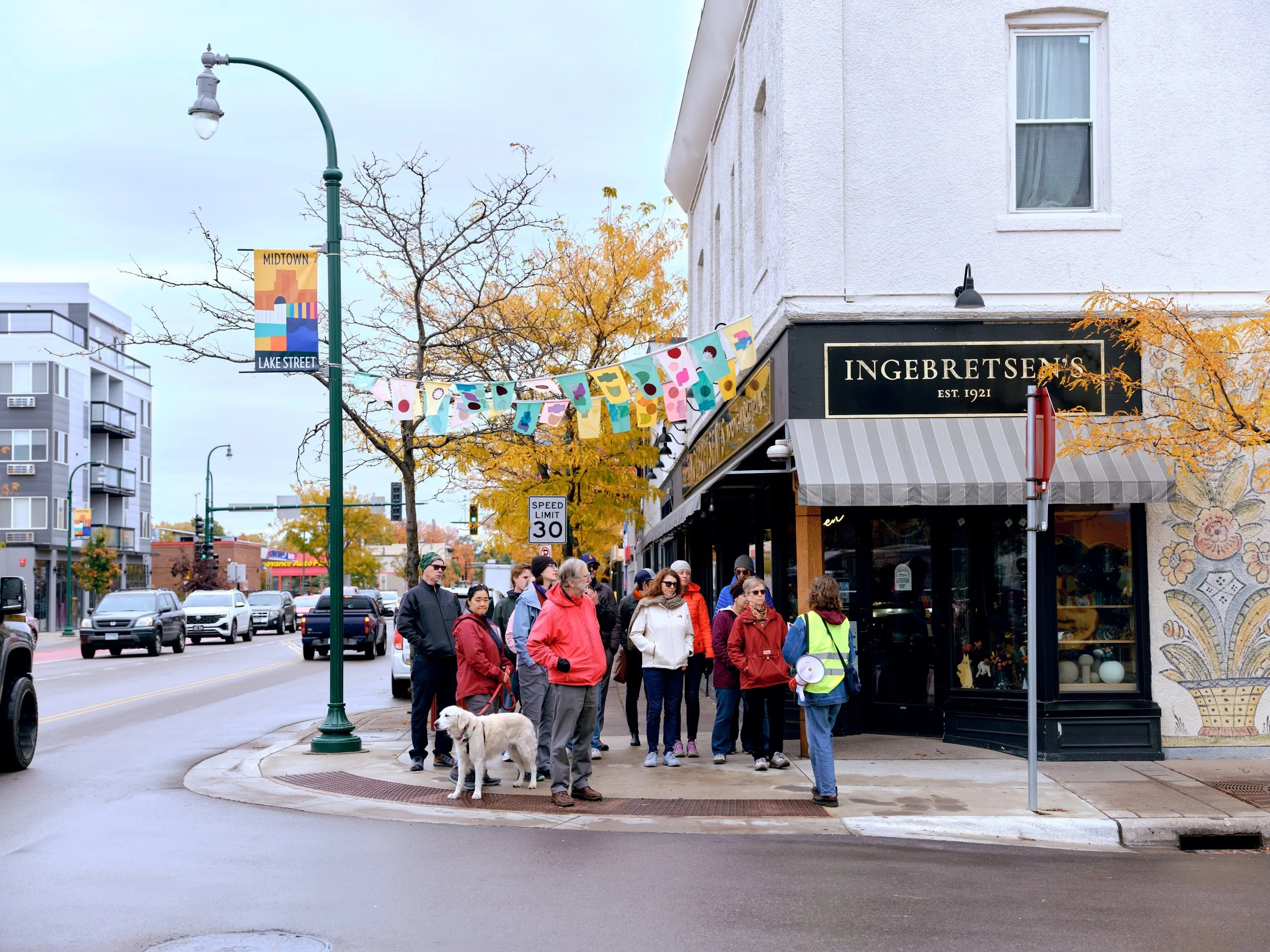
Our impact went beyond visibility: half of those who saw the Lake of 10,000 Lands marketing campaign visited Lake Street afterward. Survey respondents’ negative feelings toward the corridor dropped by half. And 46 community events and six major festivals brought thousands of neighbors and visitors to the corridor.
Every visitor to the corridor puts dollars into our business community - our annual Loyalty Challenge holiday shopping campaign generated nearly $90,000 in economic activity across 85 businesses.
Then Operation Metro Surge arrived. Rather than go quiet, we pivoted — adapting our You Belong Here campaign to host events at Latino and East African-owned businesses experiencing dramatic decreases in sales due to temporary closures. For a few months, the world turned upside down, but our mission and goals were the same. Make sure Lake Street is seen and that our businesses are supported.
Watch our Lake 10,000 Lands Ads:
We drive economic prosperity by shaping Lake Street's image with relentless optimism, resilient realism, and a shared pride.
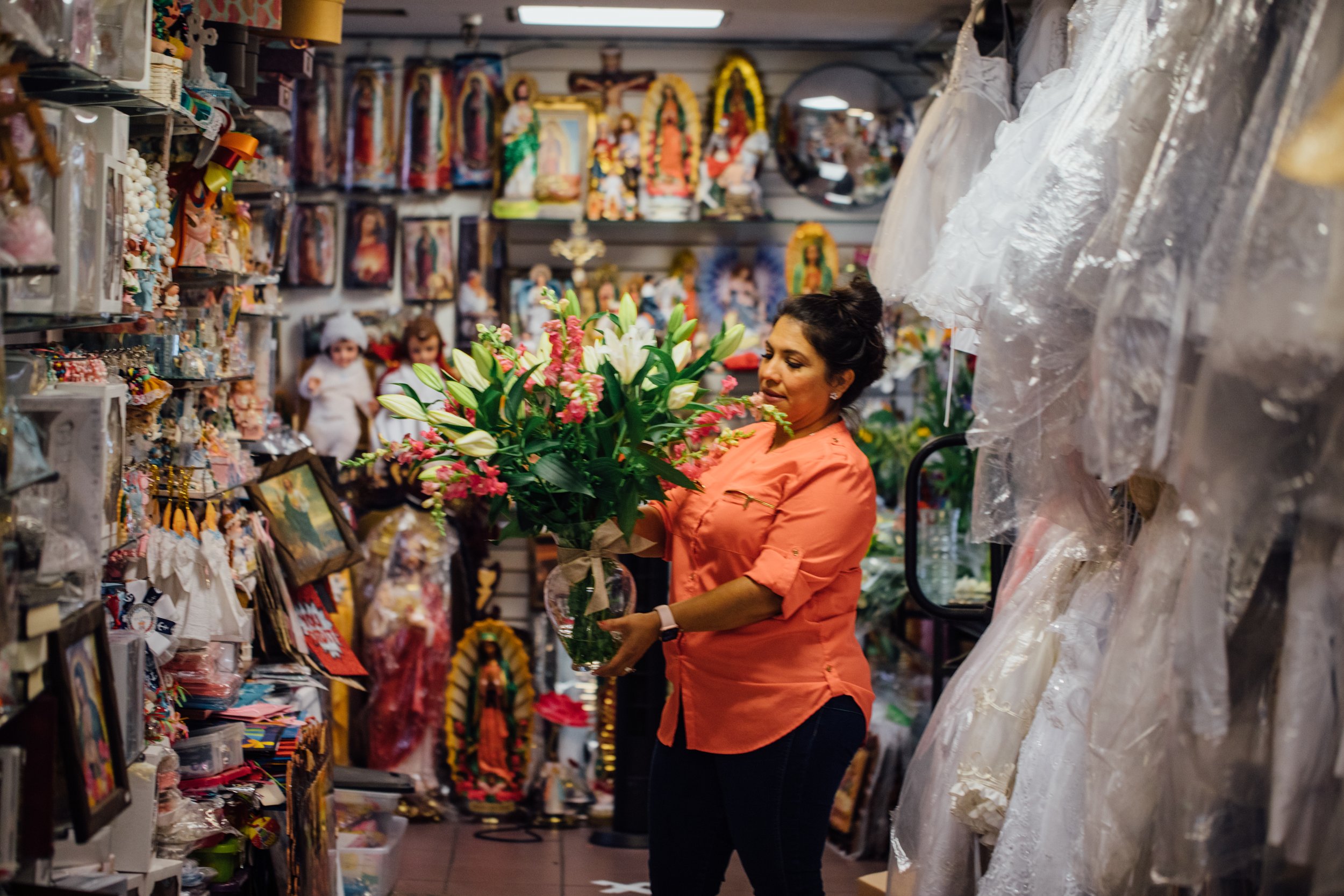
Striving to Succeed
Business Navigation and Support
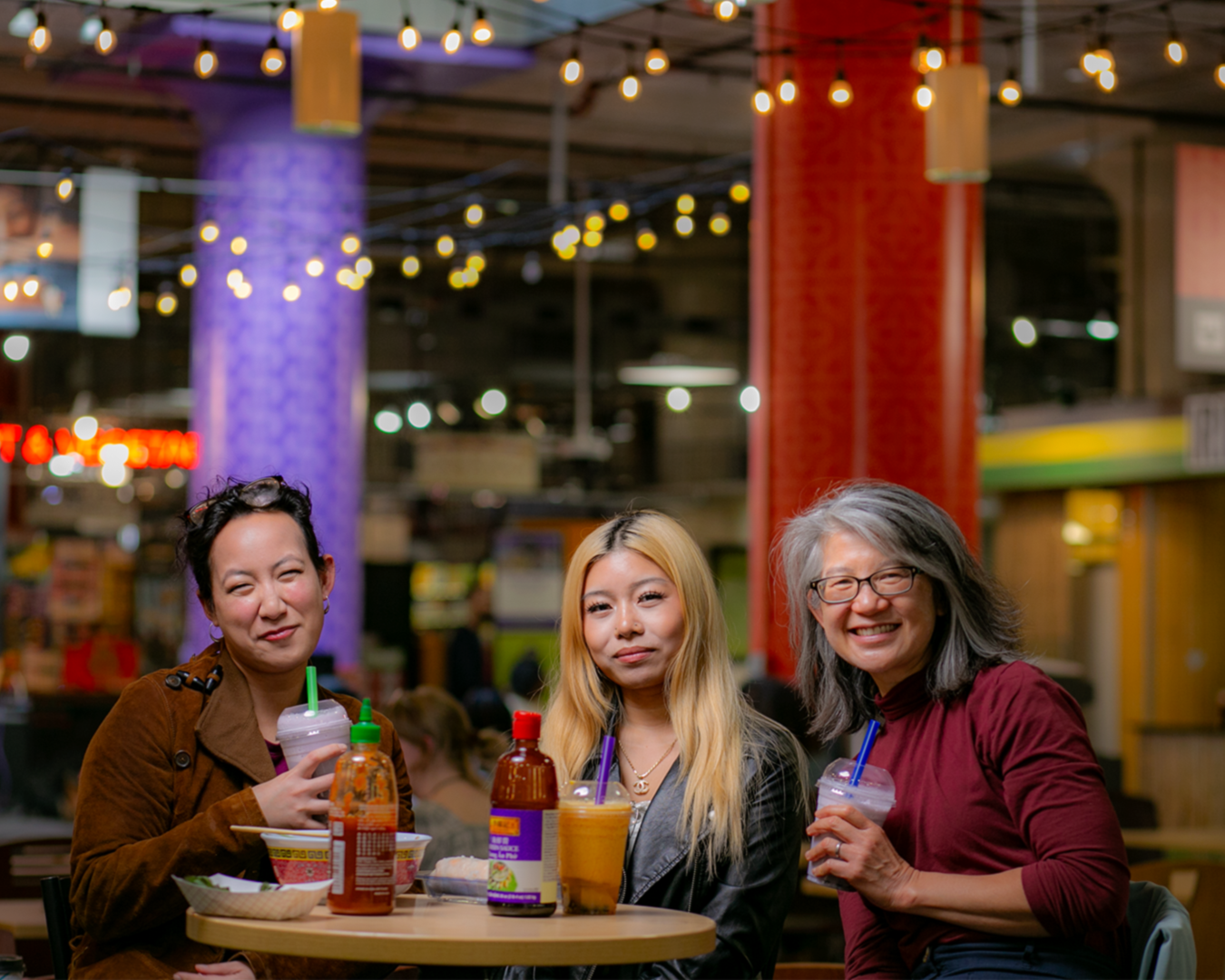
Supporting businesses along the Lake Street corridor is the backbone of the Lake Street Council's work. It's why the organization started over 58 years ago and why it continues today. As the most diverse corridor in the Twin Cities, Lake Street is home to thousands of BIPOC and immigrant entrepreneurs — individuals who are starting and expanding businesses to support their families and communities. Our goal is to support their dreams by connecting them to vital resources, training, and opportunities. As advisors, troubleshooters, and bridge builders, we work to increase their economic potential while strengthening the fabric of Lake Street itself.
We have done this work in the best of times and in times of great challenge, hardship, and resilience. Despite the challenges in early 2026, the last 18 months saw real, measurable progress — with success stories like Hoyo Sambusa. Through Lake Street Lift, the Lake Street Council connected Hoyo Sambusa with three specialized consultants — including FoodOps, a local food industry expert who guided the operationalization of their new production facility, along with consultants to build their brand, manage capital accounting, and bring their vision to life, culminating in a grand opening celebration at Midtown Global Market. It is exactly the kind of story this work is meant to create. It is exactly the kind of story this work is meant to create.
Lake Street Lift boosted our everyday business support programs with additional funds for professional contracted support in accounting, legal clinics, food operations, and marketing. We also continued building out a broader system of support: through the Small Business Equitable Energy Decarbonization Initiative (SBEEDi), we expanded a growing coalition of community-based organizations and CDFIs — adding the Neighborhood Development Center, West Broadway Business and Area Coalition, and the Latino Economic Development Center as partners in 2025 — ensuring that diverse small businesses have access to cost savings through energy efficiency and modernization programs.
Across both Lift and our core programs, we served over 220 businesses through more than 3,500 hours of support delivered by 30 vendors — helping entrepreneurs realize their dreams and strengthen their economic footing for their families.
Those stories of growth and possibility were threatened by what came next. When Operation Metro Surge arrived, our business engagement team pivoted immediately. Staff who had been delivering technical assistance and marketing support shifted their focus to emergency response — helping business owners navigate grant applications, connecting them to relief resources, and linking businesses with mutual aid groups to ensure that community members could access food and necessities during the crisis.
The work looked different, but the people doing it — and the relationships that made it possible — were the same ones built through years of showing up on Lake Street every day.
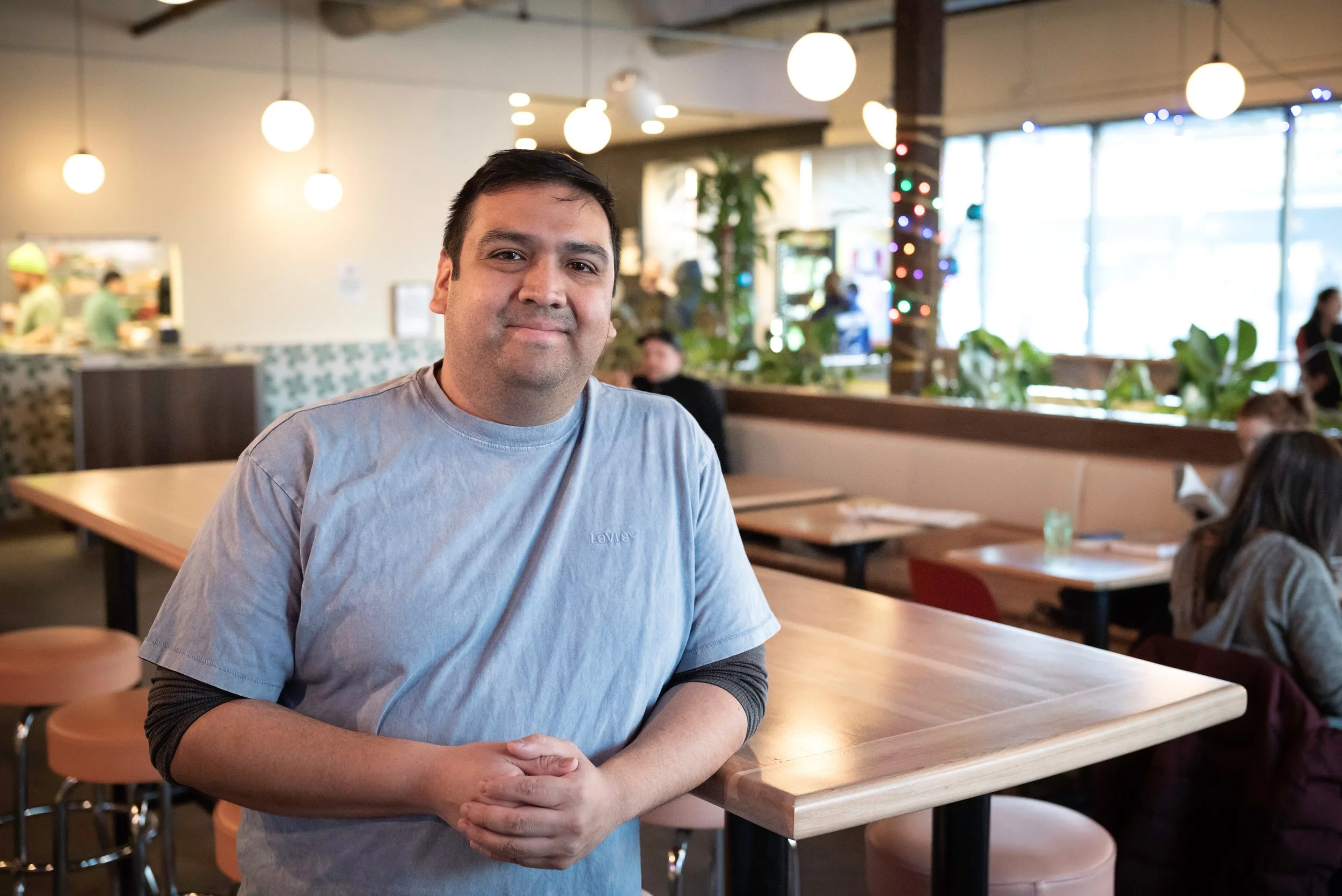
Our goal is to support a business’s dreams by connecting them to vital resources, training, and opportunities.
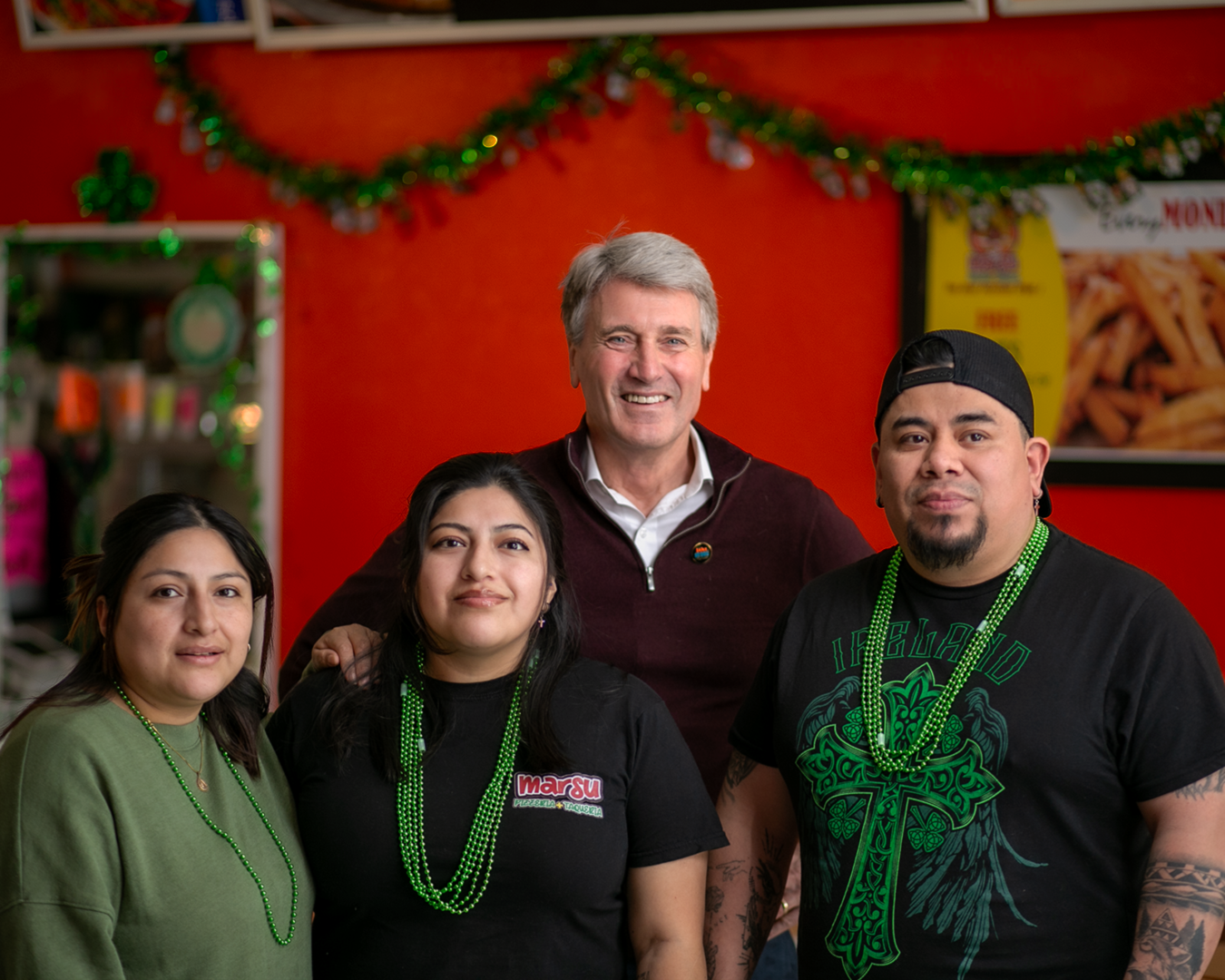
Recovery, Real Estate & Redevelopment
Lake Street's recovery from the 2020 civil unrest has never been a straightforward path; it’s been a years-long process of navigating continuously shifting economic headwinds, persistent community safety challenges, unexpected inflationary pressures, labor shortages, and a destructive federal immigration enforcement action that cost businesses and their families hundreds of millions of dollars in revenue and lost wages.
More than 400 businesses were damaged during the unrest, with over $250 million in collective damage to the corridor. Many were locally owned businesses already facing barriers to capital — immigrant entrepreneurs, low-income families, and BIPOC business owners who had invested everything into Lake Street. More than 70,000 donors from around the world contributed to our We Love Lake Street (WLLS) Fund, raising $12 million, most of which was immediately distributed to over 500 businesses — more than 80 percent of them immigrant- or BIPOC-owned.
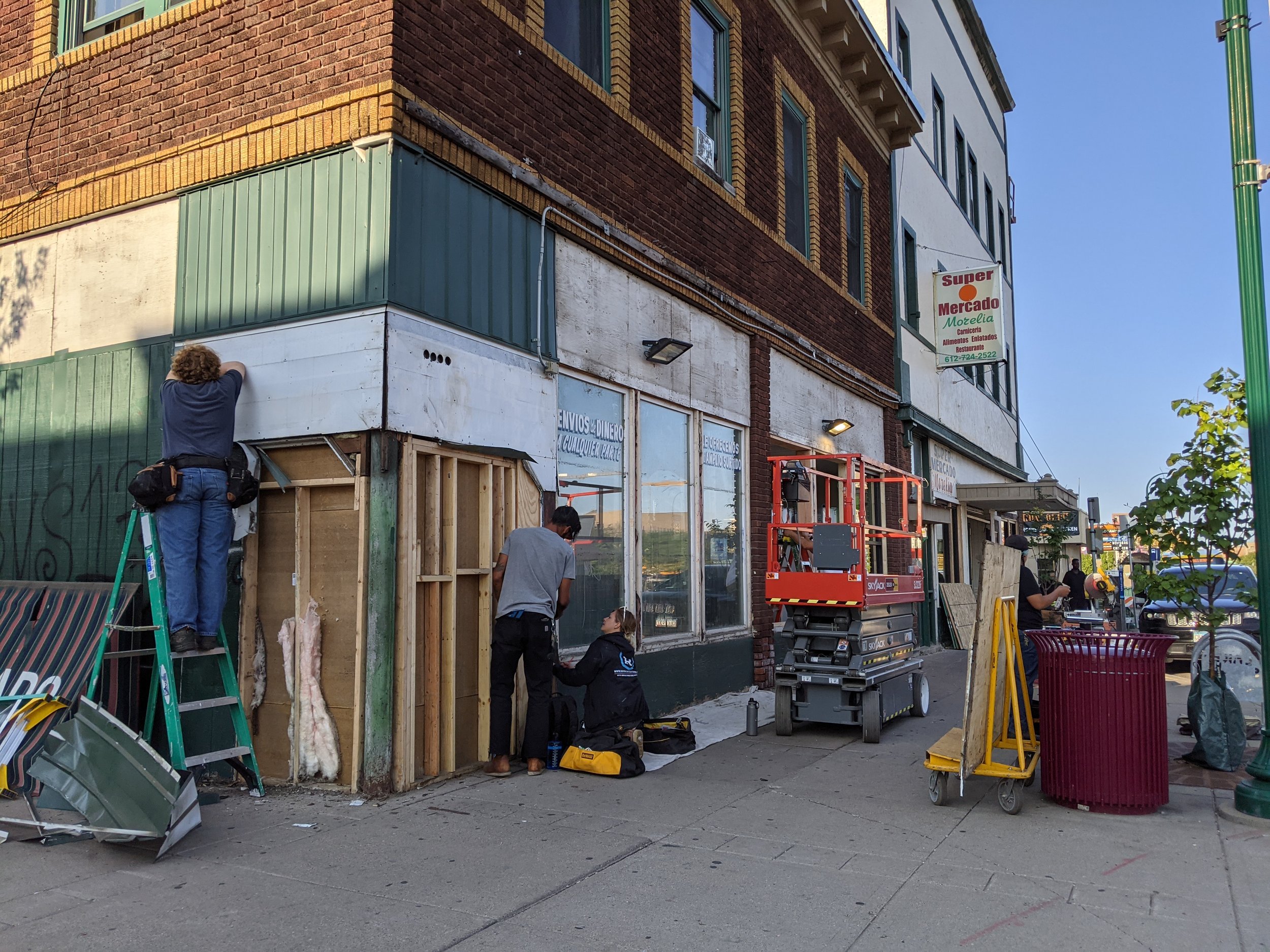
We knew recovery would not be possible without direct investment in redevelopment as well. Since 2020, $2.4 million has been provided through our WLLS Acquisition and Predevelopment Fund - keeping Lake Street property in local hands— supporting 19 property acquisitions, five new construction groundbreakings, and 14 grand openings since 2021, with 12 more projects in active planning today. Other government and foundation support, like the Main Street Economic Revitalization Program and Twin Cities LISC Cat Fund, delivered millions in additional reconstruction grants to Lake Street properties.
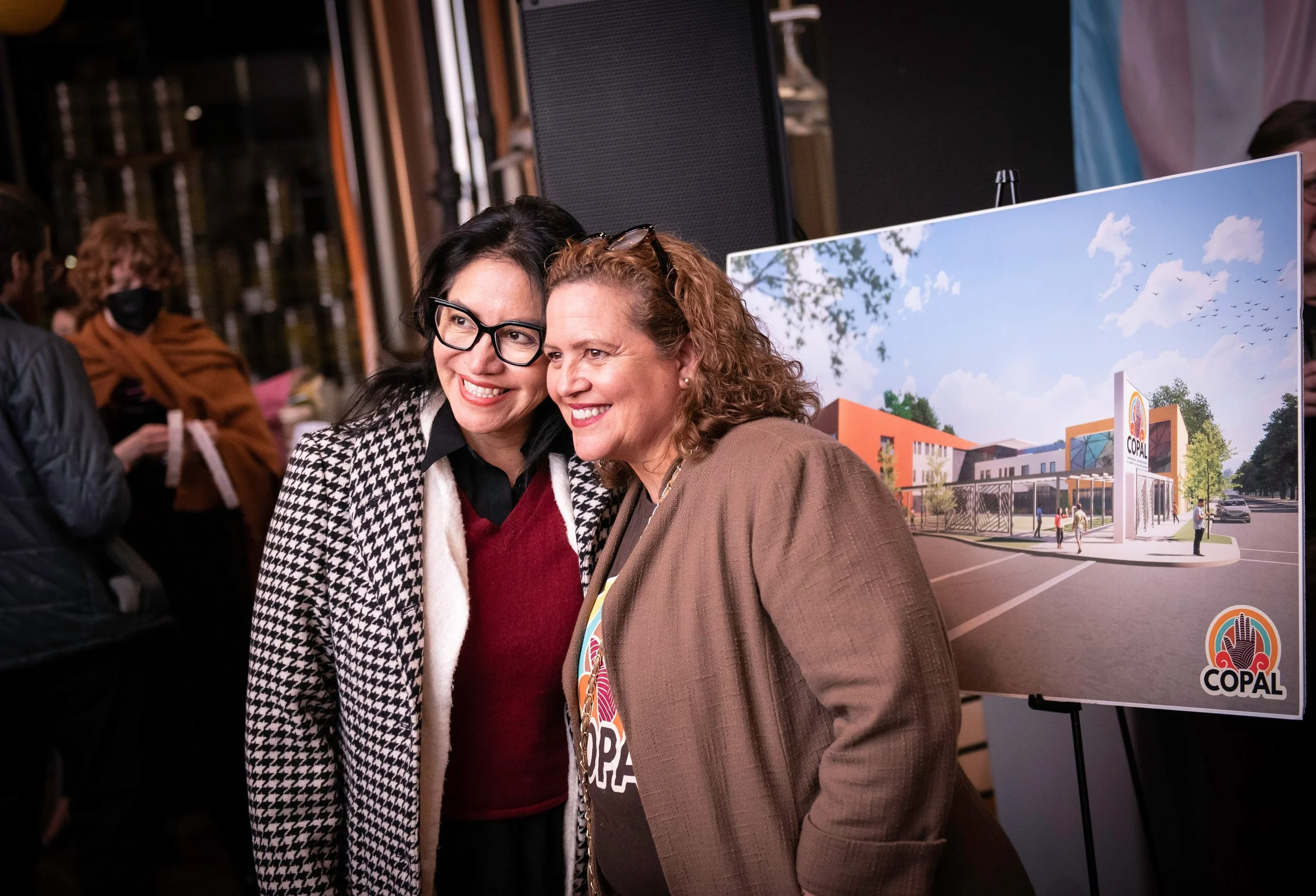
Lake Street Lift continued this redevelopment work - adding another critical layer: $1M in dedicated real estate consulting support to 20 projects through Platform CRE and 30 specialized vendors. This gave property owners and nonprofits access to professional feasibility analysis, architectural design, and capital planning. Their projects started moving to the next phase by leveraging significant public and private investment. Projects like COPAL’s 15,000 sq ft community center and the recently opened Opportunity Crossing are paving the way for a new Lake Street.
The work is not finished - properties are still in planning and need critical support. The impacts of Operation Metro Surge have added new urgency to an already long road. Most of our remaining vacant lots have either been reactivated as community gathering spots or are in the pre-planning stages for redevelopment. The progress we’ve made since 2020 is real - Lake Street's physical landscape is being shaped by and for the communities that call it home, and the Lake Street Council will continue to make sure it stays that way.
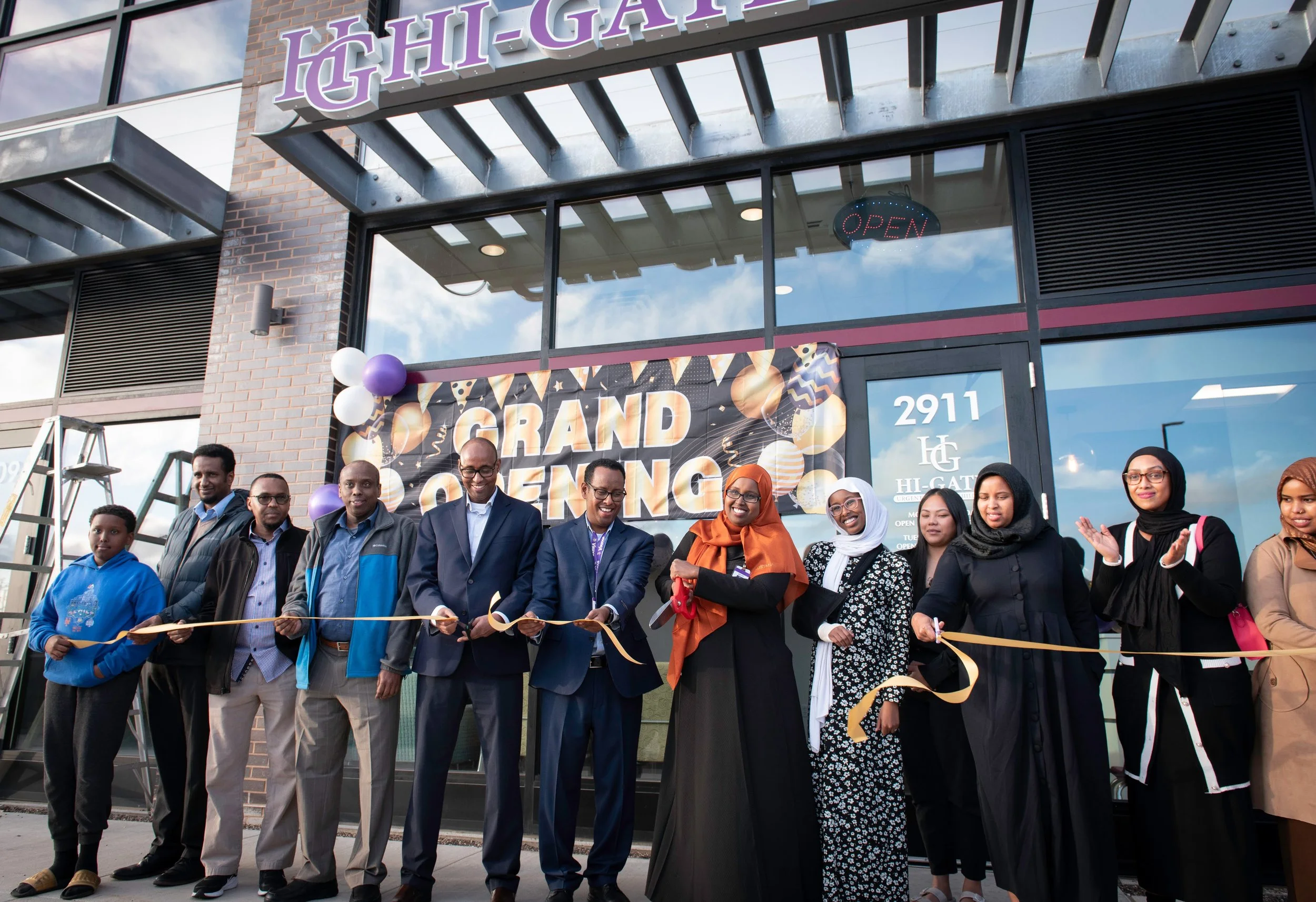
Lake Street's physical landscape is being shaped by and for the communities that call it home.


Financial Support
The Lake Street Council's work is made possible through the generous support of individuals, businesses, partner organizations, government entities, and foundations.
A special thank you to the hundreds of neighbors, supporters, and friends of Lake Street who have made personal donations to support this work.
Your contributions directly fund:
Business development services
Public art initiatives
Marketing campaigns
Community events
Advocacy efforts
Read our State of Financial Position and State of Activities here.
Thank you to the following institutional funders for supporting our work in the last 18 months.
Ameriprise Financial
Arts Midwest
Bethlehem Lutheran Church
Bush Foundation
Carolyn Foundation
CenterPoint Energy
City of Minneapolis
Diamond Lake Lutheran Church
George Family Foundation
Graves Foundation
M.A. Mortenson Company
Marbrook Foundation
McKnight Foundation
Mortenson Family Foundation
M.A. Mortenson Company
Metro Regional Arts Council (MRAC)
Minneapolis Foundation
Minnesota Department of Employment and Economic Development
Minnesota State Arts Board
Old National Bank Foundation
Opus Foundation
Rotary Foundation
Sunrise Banks
Target Foundation
Twin Cities LISC
U.S. Bank Foundation
Wells Fargo
Wells Fargo Foundation
Women’s Foundation of Minnesota
Xcel Energy Foundation